
Manufacturing growth is accelerating across the Southeast. But for many facilities, expansion comes with one major problem: production can’t stop. Plants need room for more equipment, storage, automation, and people. Yet shutting down for construction often isn’t an option. The good news? Expansion without major downtime is possible. With early planning, phased construction, and the right regional experience, manufacturers are growing while staying operational.
Why This Is a Growing Challenge Across Tennessee, Kentucky, and Alabama
Industrial growth across the Southeast is pushing facilities to expand faster. Tennessee continues investing in industrial-ready sites, while major corridors like I-24, I-40, I-65, and I-75 keep freight and manufacturing moving. Kentucky, however, remains a logistics powerhouse thanks to its central location, while Alabama’s record industrial investment is putting even more pressure on facilities to scale. The opportunities in the Southeast are massive, but so is the challenge, as most manufacturers must expand while keeping production fully operational.
The Biggest Risk of Expanding an Active Manufacturing Facility
Poor planning can disrupt more than construction. It can impact operations. Some of the most common risks include:
- Unplanned shutdowns
- Utility interruptions
- Crew activity interfering with production
- Shipping and loading disruptions
- Lost throughout construction
- Costly redesigns when systems are evaluated too late
Most problems start before construction even begins.
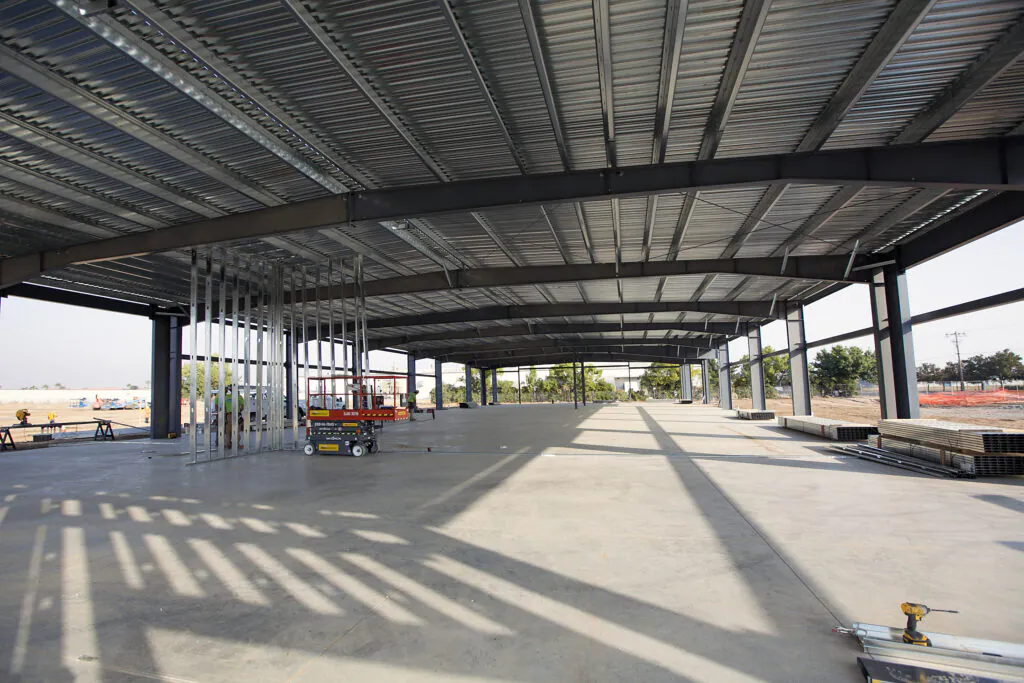
Best Practices for Expanding Manufacturing Facilities Without Shutting Down
Smart expansion usually starts with strategy, not square footage.
| Best Practice | Why It Matters |
| Start with a facility assessment | Finds power, HVAC, plumbing, and fire protection limits early |
| Phase the work | Keeps critical production zones operating |
| Build outward first when possible | Reduce disruption inside active operations |
| Schedule shutdown work during downtime | Limits impact on output |
| Separate crews and operations | Improves safety and compliance |
| Involve a design-build partner early | Reduces surprises and aligns decisions sooner |
Design-build often helps most in active facilities because field realities shape decisions before they become problems.
Tennessee Industrial Corridors Create Opportunity and Complexity
Growth corridors create advantages and planning pressure. From Middle Tennessee and the I-65 corridor to I-24 and I-40, and into East Tennessee, expansion often requires tighter coordination. As demand rises, projects usually need:
- Tighter scheduling
- Better utility planning
- Stronger subcontractor coordination
- Earlier procurement for long-lead materials
Growth moves fast, but in construction planning, it has to move faster.
Changes in Kentucky and Alabama
Across both Kentucky and Alabama, manufacturers are navigating similar pressures to expand rapidly while maintaining day-to-day production. In both markets, success often comes down to balancing logistics, labor, infrastructure, and tight schedules without disrupting operational flow.
Kentucky Manufacturing Expansion
Kentucky brings major logistics advantages, but active expansions still require protecting production flow. Key priorities often include:
- Coordinating around major freight corridors
- I-65, I-71, I-75, and I-69
- Protecting shipping and loading operations
- Phasing work to avoid disrupting throughput
- Planning around utility and infrastructure constraints
Alabama Industrial Growth
Alabama’s growth is creating similar pressure, especially in automotive and advanced manufacturing. Expansion planning often centers around:
- Tight schedules driven by growth demand
- Labor and subcontractor competition
- Corridor complexity in North Alabama and I-65 zones
- Protecting operations while scaling facilities
What Work Can Usually Happen While Production Stays Running?
Many owners assume everything requires shutdowns, and that’s not necessarily true. Here’s a look at what actually can happen:
| Type Of Work | Can Production Stay Open? | Best Timing |
| Exterior additions | Yes | Normal hours |
| Office/Admin buildouts | Yes | Normal hours |
| Parking or truck circulation rework | Yes | Off-peak hours (to avoid traffic conflicts) |
| Lighting upgrades | Sometimes | After hours(if near production areas) |
| Dock door additions | Sometimes | Phased work or weekends (to limit disruption) |
| Electrical service upgrades | Sometimes | Scheduled downtime (required) |
| Fire sprinkler tie-ins | Sometimes | Scheduled downtime (required) |
| Interior slab work | No | Shutdown window |
The key is knowing what can stay live and what needs a controlled outage.
Why Design-Build Works Better for Active Manufacturing Expansions
When facilities stay operational, coordination matters. That is where design-build often performs better. It helps because:
- Design and construction teams collaborate early
- Existing conditions get verified sooner
- Phasing plans are built before the design is finalized
- Budget, schedule, and operations stay aligned
- Owners avoid gaps between design intent and field conditions
In active manufacturing environments, design-build works best because it streamlines coordination and accelerates decision-making, reducing overall risk quickly while production stays live.
Expansion Is Possible Without Shutting Down
Manufacturers across Tennessee, Kentucky, and Alabama are expanding without stopping production. The formula is usually the same:
- Plan early
- Phase the work
- Protect utilities
- Prioritize safety
- Coordinate locally
Expansion does not have to mean disruption. With the right strategy and the right construction partner, growth can happen while operations keep moving.
FAQs
Q: Can you expand a manufacturing facility without shutting down production?
A: Yes. Many manufacturers expand while staying operational through phased construction, planned shutdown windows, and clear separation between production and construction zones.
Q: What is the biggest risk during an active manufacturing expansion?
A: The biggest risks include utility interruptions, production bottlenecks, safety conflicts, and shipping disruptions caused by poor sequencing.
Q: Why are manufacturers expanding in Tennessee, Kentucky, and Alabama?
A: Industrial growth, major transportation corridors, and continued investment in manufacturing and logistics are driving expansion across the region.
Q: What work usually requires downtime during a plant expansion?
A: Electrical upgrades, fire sprinkler tie-ins, utility cutovers, and interior slab work often require planned downtime or temporary shutdowns.
Q: Why is design-build useful for active manufacturing projects?
A: Design-build improves early coordination, aligns design with field conditions, and reduces costly surprises during active-facility construction.