
Partnerships in construction require more than technical expertise. They demand trust, communication, and a long-term mindset. This is especially important when partnering with any and all Tribal Nations throughout California. Every Nation has its own cultural values, priorities, leadership structure, and vision for the future. That being said, there is no universal approach, and success comes from understanding those differences and aligning with them early. A relationship built on trust and the interests of both parties involved creates a quick recipe for success.
What Makes Partnering with Tribal Nations in California Different
Working with Tribal Nations is not the same as a typical commercial project. Tribal sovereignty plays a major role in decision-making and project implementation. Governance structures can vary from Nation to Nation, with decisions often involving multiple leaders, departments, and community voices. Community impact also carries more weight. Projects are rarely just about buildings; they are tied to long-term economic growth, health, and cultural preservation of that Tribal Nation.
Some key differences include:
- Multiple decision-makers and leadership groups
- Cultural and land considerations
- Long-term planning vs short-term execution
- Projects tied to economic and community development
Why Relationships Matter More Than Transactions
In Tribal partnerships, relationships come first because trust is not built overnight, and it cannot be rushed. One key factor in creating long-lasting relationships is consistency, but, even more so, following through matters most. Not only does what you say matter, but how you show up carries weight long after a project ends.
Repeat partnerships are common when trust is established, and that only happens when expectations are met and communication stays strong. When partnering with us, the focus is on being a long-term partner, not just a builder. The goal is to support ongoing growth, not just to complete a single project.
Our Experience Partnering with Tribal Nations in California and Beyond
Hilbers has built strong relationships by partnering with Tribal Nations across California and the West. These projects reflect a wide range of needs, from healthcare to community spaces to economic developments.
Specific projects built by Hilbers:
| Who For | Location | Project Type | Scope |
| Paskenta Band of Nomlaki Indians | Red Bluff, CA | Healthcare | $7M design-build clinic remodel (bank conversion) |
| Elem Indian Colony | Clearlake, CA | Community & Retail | Community Center & Travel Center with fuel & EV charging |
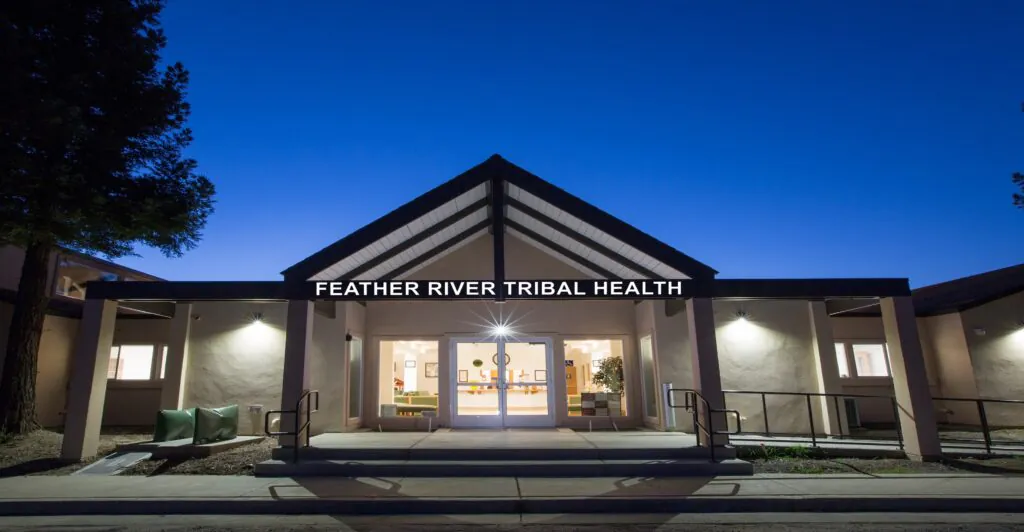
| Feather River Tribal Health | Yuba City, CA | Healthcare | Clinic expansion with exam rooms & behavioral health |
| Muckleshoot Indian Tribe | Auburn, WA | Tribal Development | Ongoing tribal development support |
Types of Tribal Projects Across California
We offer many Tribal projects that often serve multiple purposes at once, supporting both the immediate needs and long-term goals of the Tribal Nation. Some types of projects are:
| Project Type | Purpose | Community Impact |
| Healthcare Facilities | Access to care | Improves long-term health outcomes |
| Retail & Travel Centers | Revenue generation | Supports economic independence |
| Community Centers | Social services | Strengthens community connection |
| Administrative Buildings | Tribal operations | Supports governance and leadership |
Key Considerations When Building on Tribal Land
Each project requires a thoughtful and respectful approach. Understanding the bigger picture is critical before construction even begins.
Important considerations include:
- Understanding Tribal governance structures
- Respecting cultural and land significance
- Aligning with long-term community goals
- Navigating approvals and timelines
- Planning for future growth and use
Why Design-Build Works Well for Tribal Projects
Design-build is often the best approach for Tribal projects because it brings teams together early. That collaboration helps align expectations from the start and keeps the budget, schedule, and goals connected. Fewer gaps mean fewer surprises during construction. Most importantly, it reduces risk because when teams communicate early and often, problems are solved before they grow.
What Successful Tribal Partnerships Look Like
Strong partnerships share a few common traits. They are built on alignment, communication, and trust.
Successful partnerships often include:
- Projects aligned with community priorities
- Strong collaboration throughout construction
- Clear communication and transparency
- Long-term relationships beyond project completion
Building Relationships That Last
At the core of every successful Tribal partnership here in California is trust. That trust is built through respect, communication, consistency, and a willingness to listen. These projects are about more than construction; they are about supporting communities and contributing to the long-term growth of these Tribal Nations. When done right, the relationships built last well beyond the project, and that is what truly defines success.
FAQs
Q: What makes Tribal construction projects different?
A: Tribal construction projects are shaped by each Nation’s governance structure, priorities, and long-term vision. Unlike traditional projects, decisions are often centered around community impact, cultural considerations, and future sustainability. Successful partnerships require trust, collaboration, and a clear understanding of how each Nation approaches development.
Q: What types of construction projects are common on Tribal land?
A: Common Tribal projects include healthcare facilities, retail and travel centers, community buildings, and administrative spaces. These developments are often designed to support economic growth, improve access to services, and strengthen the community as a whole.
Q: Why is communication important when partnering with Tribal Nations in California?
A: Clear and consistent communication helps build trust and keeps projects aligned with Tribal leadership expectations. Because these projects often involve multiple stakeholders, strong communication helps maintain transparency, avoid misunderstandings, and keep the project moving forward smoothly.
Q: What is the benefit of design-build for Tribal projects?
A: Design-build brings the design and construction teams together early, helping align budget, schedule, and community goals from the beginning. This approach reduces surprises during construction and creates a more collaborative process, which is especially valuable for Tribal projects.
Q: How does Hilbers approach partnering with Tribal Nations in California?
A: Hilbers approaches these partnerships with a focus on relationships, communication, and long-term success. The team works closely with Tribal leadership to understand project goals, respect the decision-making process, and support both immediate needs and future growth.
Q: How long does it take to complete a Tribal construction project?
A: Timelines depend on the project scope, approval process, and overall complexity. Early planning and strong coordination help keep projects on track, but flexibility is important to ensure they align with community priorities and leadership expectations.